Unlog: A Modern Script Font for Editorial Design
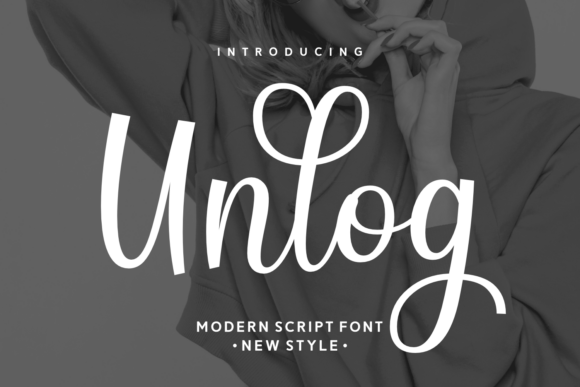
Unlog is a modern script font that brings elegance and personality to editorial design. With its smooth, flowing letters, it offers a unique visual character that can elevate the look of any publication or digital content. Whether you're designing a magazine cover, crafting a blog header, or creating a printable guide, Unlog provides a stylish option that feels both personal and professional.
Visual Characteristics and Editorial Appeal
Unlog’s design features clean curves and consistent stroke widths that give it a refined appearance. This makes it ideal for use in headlines, chapter openers, and other elements where visual impact matters. Its modern feel works well with a variety of design styles, from minimalist layouts to more ornate compositions.
The font has a friendly yet sophisticated tone, which makes it especially useful for content that aims to connect with readers on a personal level. It's perfect for lifestyle blogs, wedding guides, and coaching workbooks where the right typography can enhance the reader experience.
Practical Uses in Editorial Design
Unlog shines in several key areas of editorial design. As a display font, it's excellent for blog headers, magazine covers, and ebook titles. Its flowing style adds a touch of elegance without overwhelming the reader. When used as a headline, it draws attention while maintaining readability.
In a newsletter, Unlog can be used for subject lines or section headings, helping to create a cohesive brand identity. For quote graphics, the font adds a personal flair that complements inspirational or motivational content. In a printable planner or worksheet, it can be used for titles or decorative elements that make the layout more engaging.
For digital magazines or online guides, Unlog can serve as an accent typeface, adding visual interest without distracting from the main content. Pairing it with a readable serif or sans serif font ensures that the overall design remains balanced and easy to navigate.
Readability Considerations
While Unlog is best suited for display text, it’s important to consider its legibility when using it for longer passages. For body copy, a more readable font like a serif or sans serif typeface is typically better. However, when used in moderation, Unlog can add a unique touch to subtitles, pull quotes, and section headings without compromising readability.
When exporting content to PDF or print, ensure that the font is embedded properly to maintain consistency across devices. On mobile layouts, test how the font appears at smaller sizes to ensure it remains clear and legible.
Font Pairing and Stylistic Options
Unlog pairs well with a range of fonts, depending on the desired aesthetic. For a classic look, pairing it with a traditional serif font like Georgia or Times New Roman can create a timeless feel. For a more modern composition, combining it with a clean sans serif font such as Helvetica or Arial can provide contrast and balance.
Consider using Unlog alongside a secondary script font for variations in emphasis or to highlight specific sections. Always check for included alternates, ligatures, and weights to maximize typographic flexibility. If your project requires multilingual support, confirm that Unlog includes the necessary characters for your target audience.
Commercial Licensing and Brand Identity
If you're creating commercial products such as ebooks, templates, or paid newsletters, ensure that you have the appropriate licensing for Unlog. Commercial use often requires a premium font license, especially when distributing content for download or resale.
Using Unlog consistently across your publications helps build a strong brand identity. From logo design to packaging design, the font can reinforce your visual tone and make your content instantly recognizable. It’s particularly effective in social media graphics, web design, and creative font-based branding efforts.
Whether you're working on a digital magazine, a printable planner, or a course workbook, Unlog offers a versatile solution that supports both aesthetics and functionality. Its ability to blend elegance with modernity makes it a valuable asset in any editorial designer’s toolkit.